Key documents
- Shadow report on Moldova.
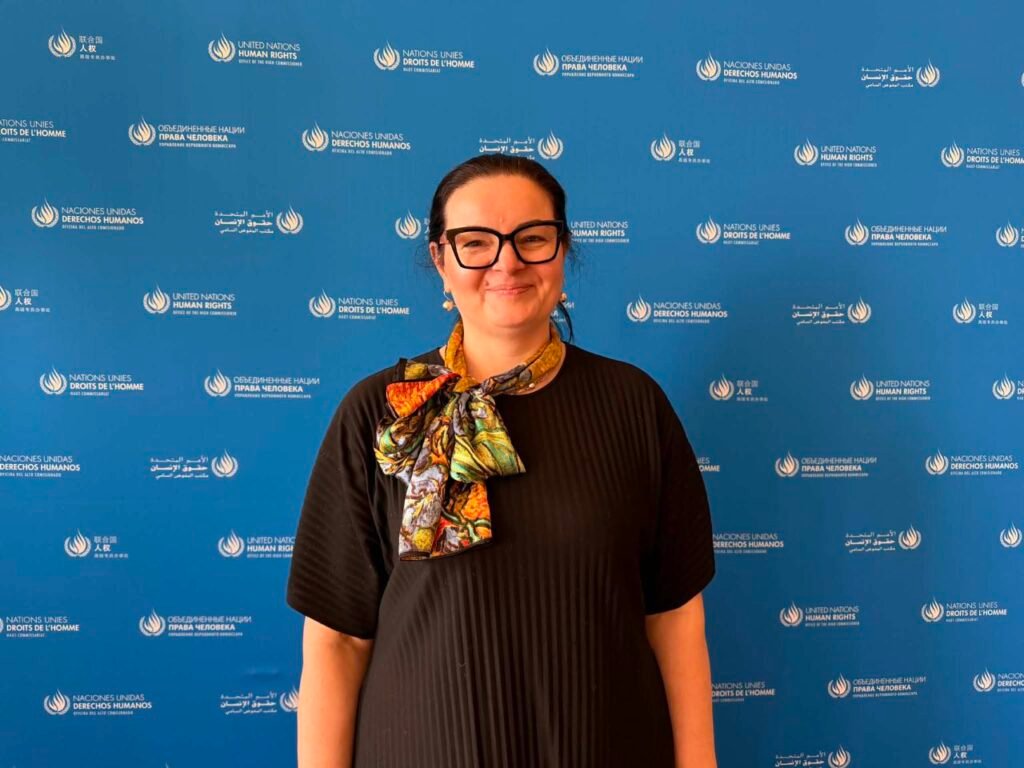
- Full intervention of Ms Ala Iatco, EHRA member and activist from Moldova at the 145 session of the Human Rights Committee.
- Concluding observations by the Human Rights Committee.
Shadow report
The EHRA Shadow report stresses that Moldova has made progress in aligning its laws and policies with international human rights standards, but significant implementation gaps persist, particularly affecting vulnerable populations such as people who use drugs, women and other marginalized communities.
This report responds to the Human Rights Committee’s List of Issues questions on access to justice (para. 17) and gender‑based violence against women (para. 10), to which the State party has provided only limited information. It highlights concerns under key provisions of the International Covenant on Civil and Political Rights (ICCPR) and presents updated evidence, illustrative cases and data from civil society organizations working with affected populations.
The analysis draws on publicly available reports, information provided by national civil society organizations and cases documented in the REAct database (REAct in Moldova is a monitoring and response system where trained community paralegals (REActors) from 15 NGOs document cases of rights violations against key populations and link victims to legal aid and other support, using the data for national advocacy and strategic litigation).
Civil society intervention
Following submission of the shadow report on Moldova for the 145 Session of the Human Rights Committee (2 – 19 Mar 2026) Eurasian Harm Reduction Association (EHRA) has received an invitation to make a live intervention on 9 March 2026.
Ms Ala Iatco, EHRA member and activist from Moldova, stressed (full intervention here) that Moldova has made commendable progress in many areas, aligning its laws with international human rights standards, and that however, some vulnerable people – especially those who use drugs, and particularly women in this group – still face significant and painful challenges. This isn’t just about written laws; it’s about real practices that contradict human rights principles.
Concluding observations
Even thought the concluding observation do not include the language of women who use drugs, the rights of the women in intersecting vulnerabilities are stressed:
- Article 18 (d): Adopt measures, including temporary special measures, to address labour market inequalities, in particular those disproportionately affecting groups of women in situations of vulnerability, including refugee women.
- Article 21: The Committee welcomes the efforts undertaken by the State Party during the period under review to combat violence against women and domestic violence, particularly through the ratification of the Istanbul Convention, on 31 January 2022, and the promulgation of a series of legislative acts to strengthen protections for victims of gender-based and domestic violence and amend certain provisions of the Criminal Code. However, the Committee is concerned that domestic violence remains pervasive in the State Party, particularly among women with intersecting vulnerabilities, and that despite recent positive trends in increased reporting, domestic and gender-based violence remains unreported owing to gender stereotypes, social stigmatization, fear of retaliation, and continued distrust in law enforcement agencies and healthcare providers. The Committee also expresses its concern about the reported underpenalization of domestic and gender-based violence, in particular economic and psychological violence, and regrets that the State Party still lacks a fully consent-based definition of rape.